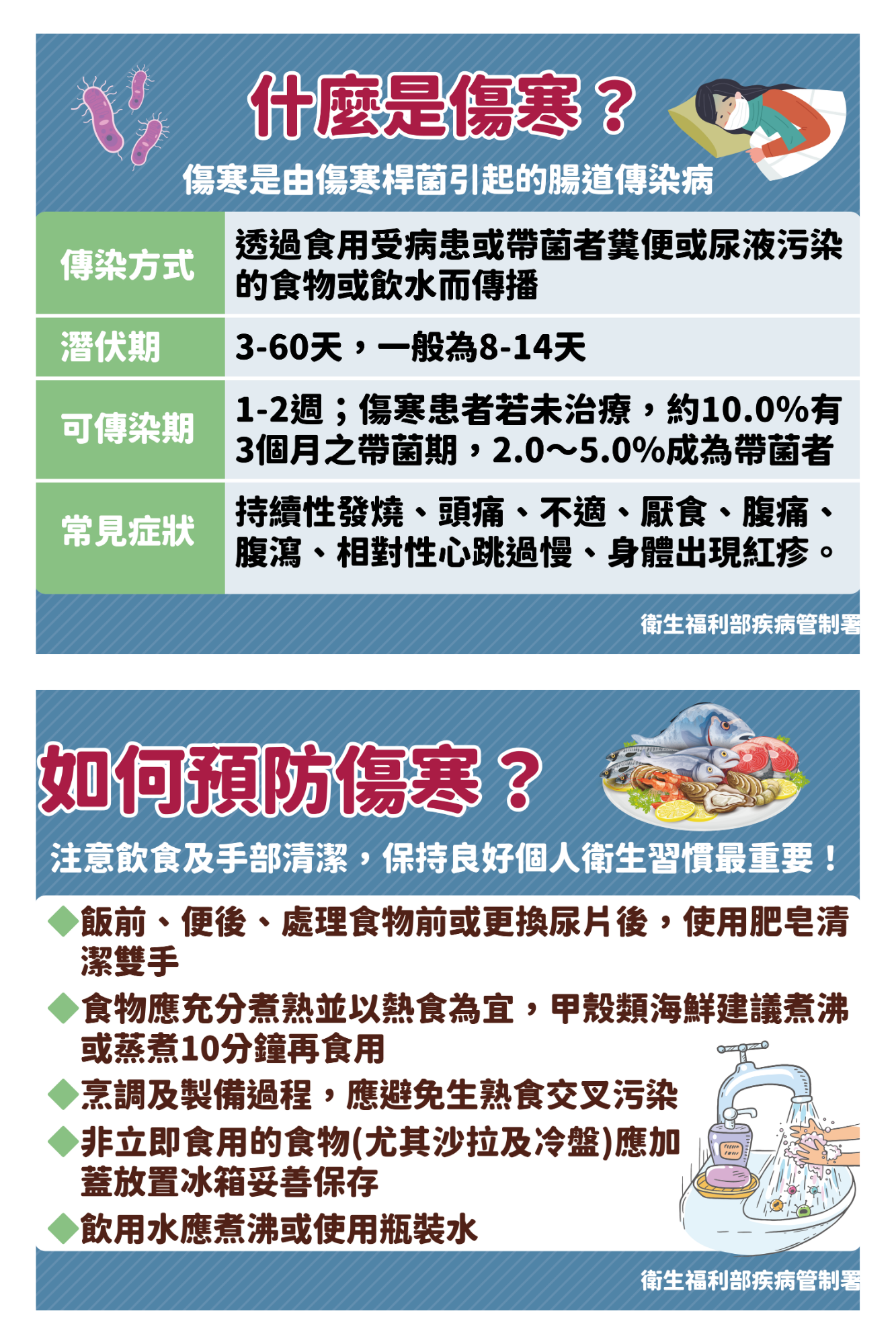
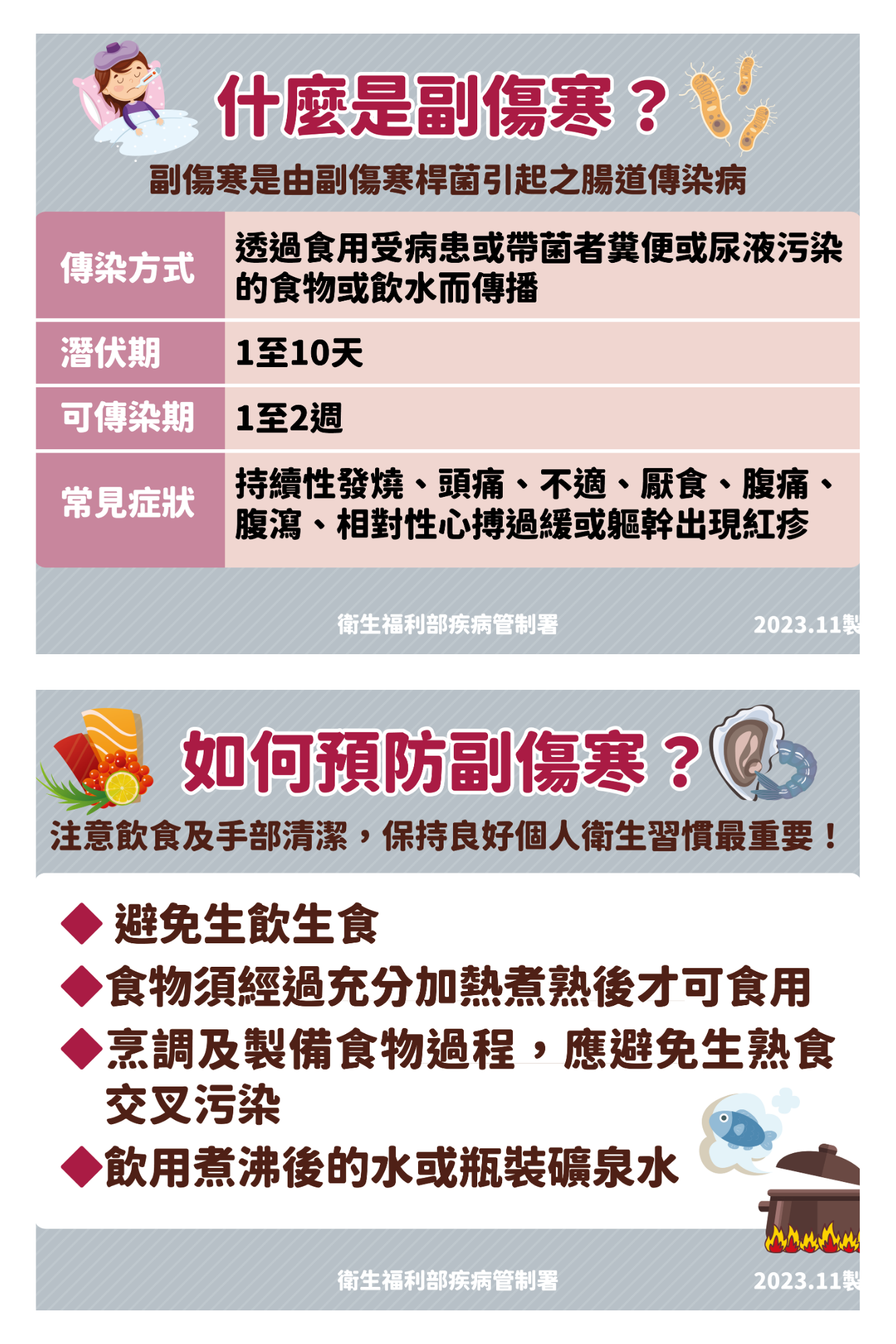
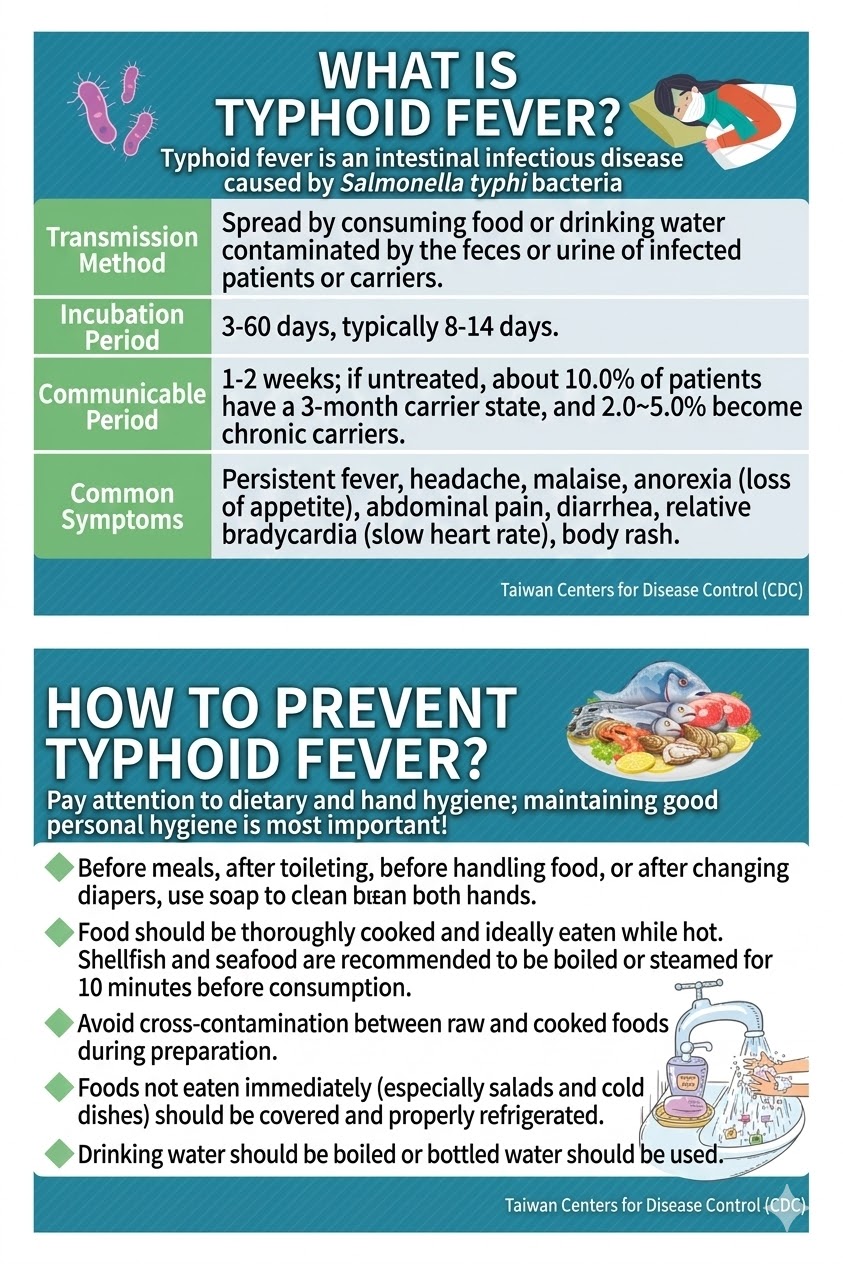
傷寒及副傷寒皆為由細菌引起之腸道傳染病,病原菌分別為傷寒桿菌及副傷寒桿菌。
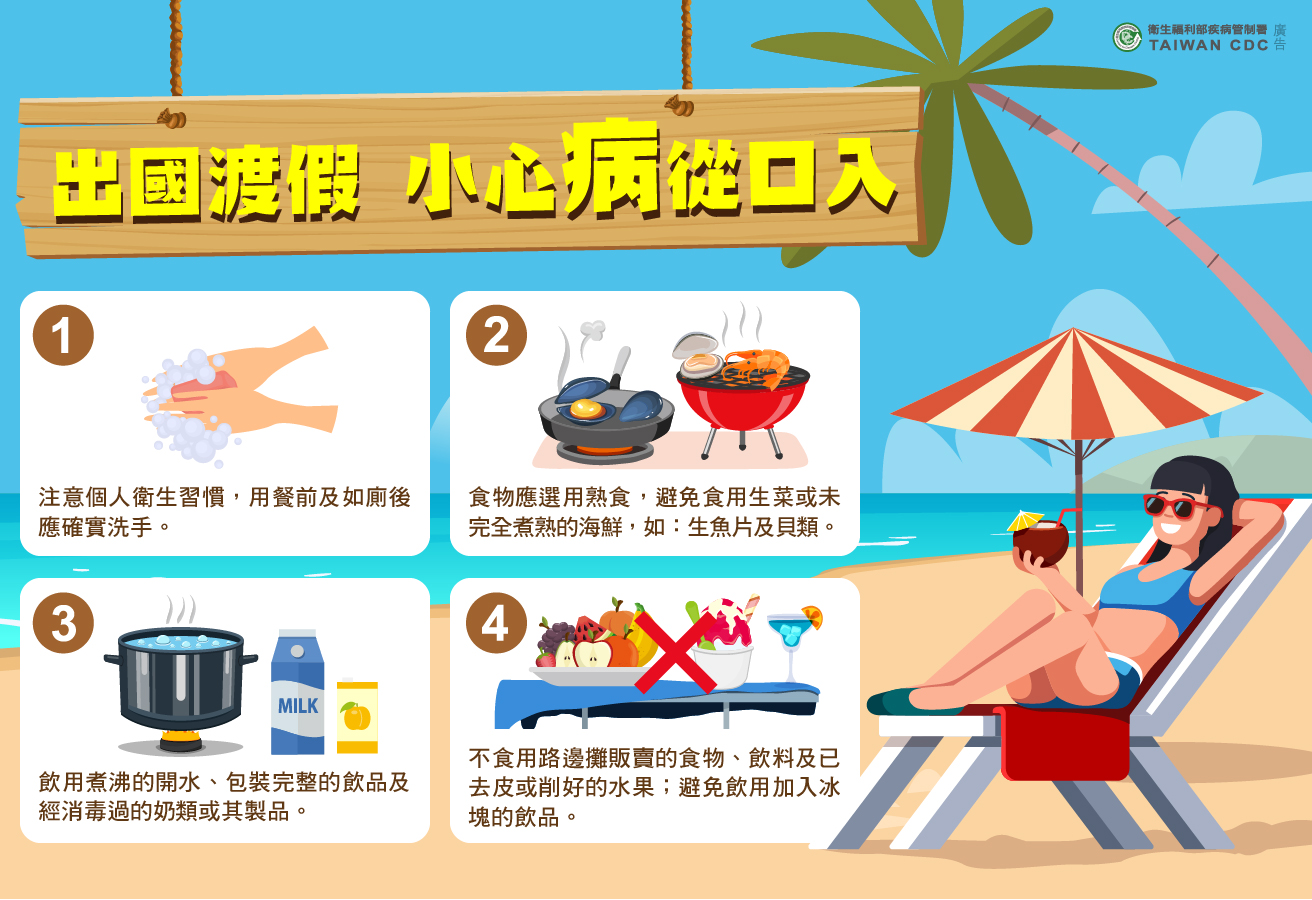
傷寒及副傷寒為全球性的疾病,世界各地均有病例發生,但多數發生於開發中國家,尤其在自來水不普及或環境衛生較差的地區。
南亞地區感染風險最高,另外東南亞、非洲、中南美洲、加勒比海群島等地區也有較高的感染風險。
感染傷寒或副傷寒後會出現持續性發燒、頭痛、不適、厭食、腹痛、相對性心律減慢、脾臟腫大、身軀出現紅疹、咳嗽、便秘或腹瀉、淋巴腫大等。
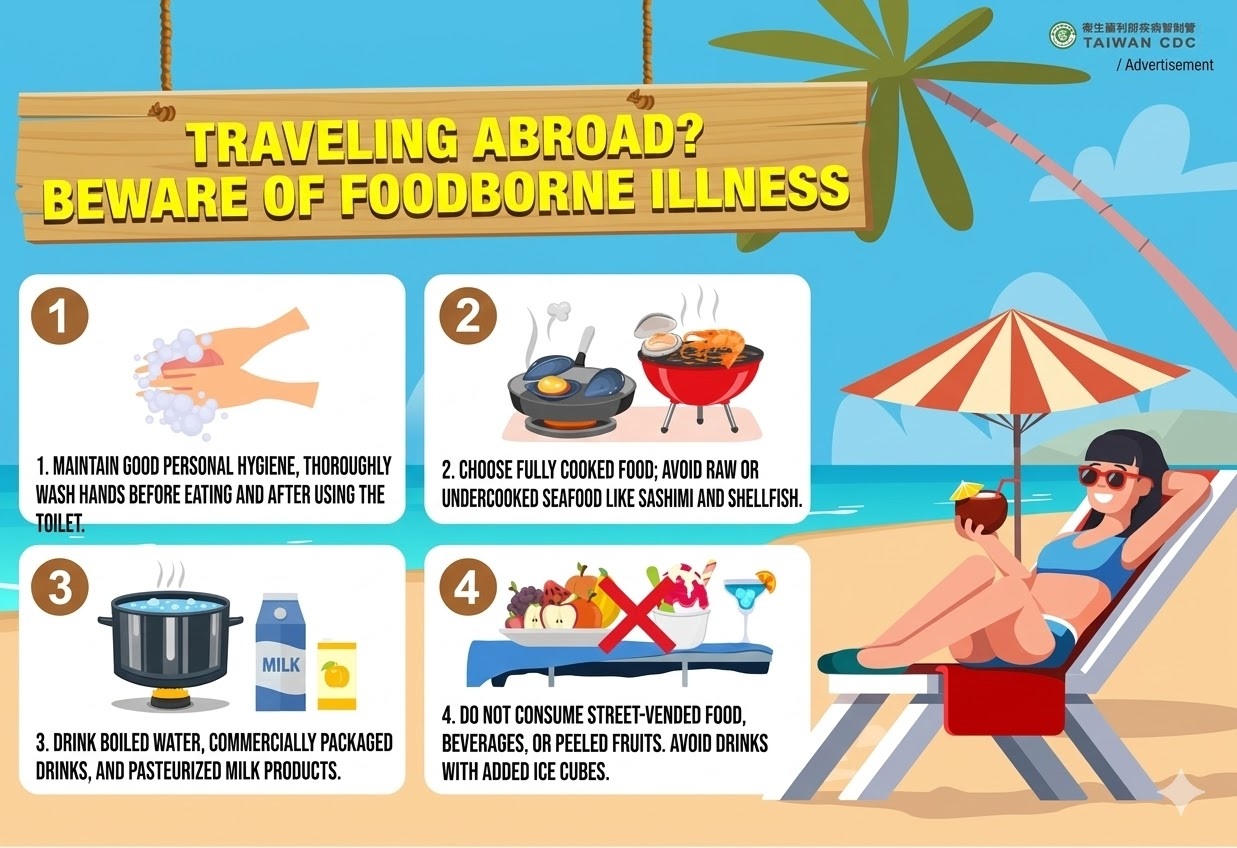
傷寒與副傷寒為第二類法定傳染病,請注意「勤洗手、吃熟食」。
學校教職員工生若出現持續發燒、腹痛、腹瀉、頭痛等症狀,應立即就醫並佩戴口罩,確診者請勿進到校園。
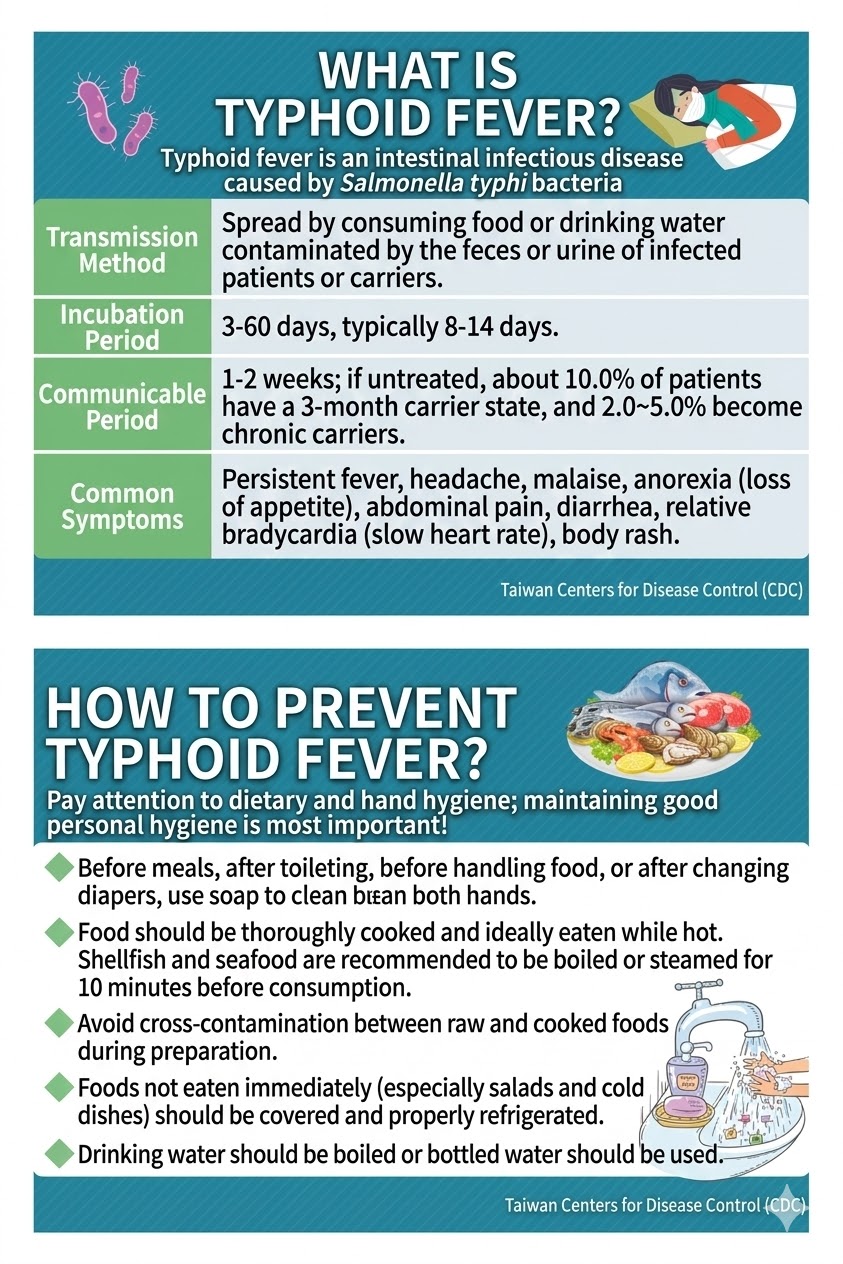
Typhoid and paratyphoid are both bacterial intestinal infectious diseases caused by Salmonella typhi and Salmonella paratyphi, respectively.
These diseases are global in nature, with cases occurring worldwide, though the majority are found in developing countries,
particularly in areas lacking access to running water or with poor environmental sanitation.
South Asia has the highest risk of infection, while Southeast Asia, Africa, Central and South America, and the Caribbean islands also face elevated risks.
Infection with typhoid or paratyphoid fever may present with persistent fever, headache, malaise, loss of appetite, abdominal pain, relative bradycardia, splenomegaly, rash, cough, constipation or diarrhea, and lymphadenopathy.
Typhoid and paratyphoid are Category II notifiable infectious diseases.
Please remember to “wash hands frequently and eat thoroughly cooked food.”
School staff and students experiencing persistent fever, abdominal pain, diarrhea, or headache should seek immediate medical attention while wearing a mask.
Confirmed cases must not enter campus.